Heritage Restoration Projects Between Russia and the West
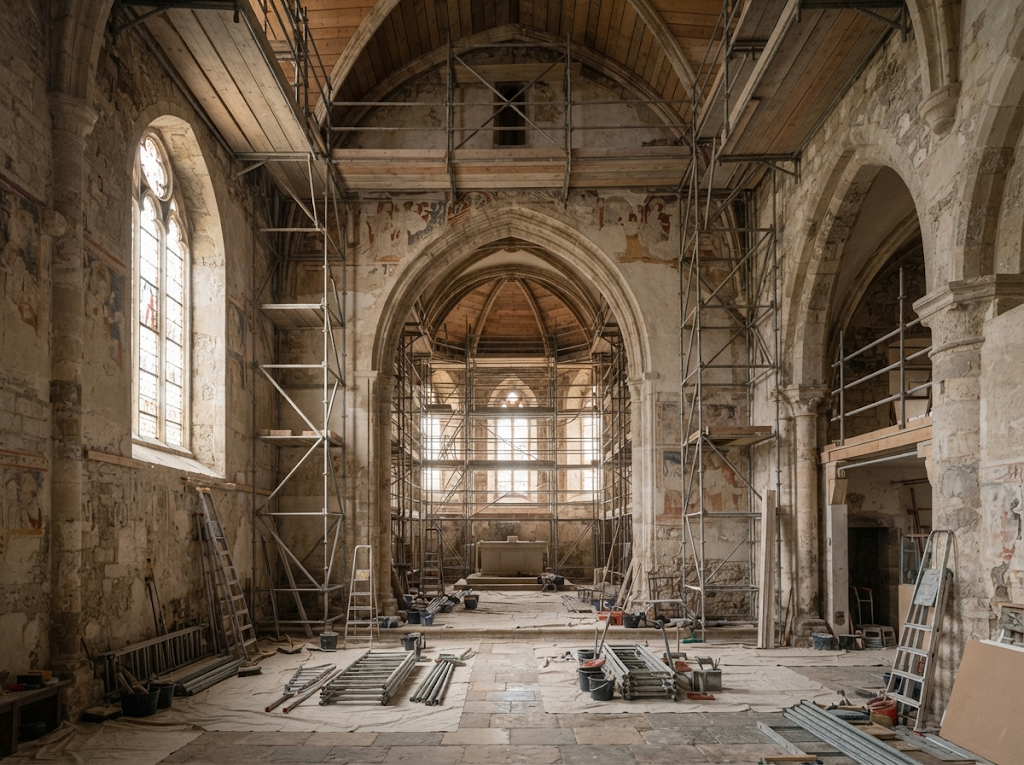
Across Russia, from the white-walled monasteries of Suzdal to wooden churches on the shores of Lake Onega, thousands of historic buildings are waiting for a restorer. Some have lost their roofs, others have lost their frescoes, and many have lost the records that tell what was built, when and by whom. Restoration projects are increasingly international: a foundation in London may fund the repair of a bell tower, a conservator from Italy may advise on fresco cleaning, and a university in Boston may study the timber. Heritage restoration is slow, careful and expensive work, and the single fastest way to waste money is a misunderstanding between the people who fund the work and the people who carry it out. This guide explains how foundations, conservators and local authorities can manage Russian and English documents in heritage projects.
Documents in a Restoration Project
A typical project involves survey reports, historical research, architectural drawings, condition assessments, treatment proposals, material analyses, permit applications, contracts with builders, progress reports, budgets, grant applications and final reports. Each plays a distinct role. Surveys describe what exists, treatment proposals say what will change, and final reports record what was done, which is the legacy for future generations.
Why Terminology Is a Matter of Heritage
Conservation uses precise language. The difference between restoration, conservation, reconstruction and renovation is not a matter of style, because each carries different ethical and legal meanings. Russian and English terms for the same activities do not always match, and a translator unfamiliar with the field might choose a word that suggests a more radical intervention than planned. International charters, such as those on the site of icomos.org, define many terms and can be used as a reference for the project glossary.
Historical Sources and Archives
Many projects depend on archival documents: old plans, parish records, photographs, chronicles and letters. They are written in historical Russian, sometimes in older spelling or handwriting, and need expert reading before they can be translated. Mark every uncertain reading and provide a note on how a conclusion was reached. Researchers who cite these sources in English need to know the exact archive, file and date, so provide full references in both scripts.
Technical Reports and Drawings
Condition surveys and structural reports include measurements, material names and diagnoses of damage such as rising damp, salt crystallisation or insect attack. Drawings carry labels, legends and notes that must be translated without changing the layout. Use consistent names for materials, such as lime plaster, oak, birch bark and egg tempera, and keep a table that lists the Russian and English terms side by side.
Working With Specialists
Foundations and conservators often rely on a russian translation agency that can assemble teams for archival, technical and legal texts, and keep terminology consistent across a multi-year project. Provide photographs, plans and earlier reports, and ask the agency to involve a reviewer with conservation experience for the most sensitive documents.
Permits and Official Approvals
Work on protected buildings requires permits from heritage authorities, and the application must follow specific forms and use the right legal terms. Misunderstandings can delay a project for months. Keep copies of official letters in both languages, and record who submitted what and when. Where certified translations are required, ask the authority which format it accepts. For related reading on how official documents are handled across borders, see this article on Russian to English translation.
Contracts, Budgets and Grants
International funding comes with conditions: reporting schedules, eligible costs, procurement rules and audit rights. Contracts with builders and restorers define quality standards, responsibilities and penalties. These documents must be translated with care, and legal advisers should review both language versions. Budgets and invoices should show the same figures, with the exchange rate and date clearly stated.
Site Instructions and Safety
Workers and volunteers on site need short, clear instructions: scaffolding rules, protective equipment, rules about touching painted surfaces, fire safety and emergency contacts. Foreign experts visiting the site should receive a briefing in English and a card with key phrases in Russian. A misunderstanding near a fragile fresco can cause irreversible damage.
Community, Visitors and Education
Local people care about their churches, and visitors want to learn. Prepare signs, leaflets and web pages that explain the project in both languages, with photographs of before and after. Invite schools to visit, and offer short talks. A restoration that is explained is a restoration that is protected by the community.
Final Reports and Archives
The final report is the permanent record. It should be complete, indexed and available in at least two languages. Include the methods, materials, decisions, photographs and drawings, and list everyone who took part. Deposit copies in archives, universities and heritage organisations, and store digital files in open formats.
Care for the Words
Maintain a bilingual glossary, a style guide and a log of translation decisions. Review them at each stage of the project. When the language of a restoration is as careful as its brushwork, the building is not only saved but also understood, and understanding is what keeps it standing.